The Best Shipping Software for Ecommerce in 2026 (Tested and Compared)
Finding the best shipping software for ecommerce can be the difference between a store that scales and one that drowns in fulfillment chaos.
If you're running an ecommerce business right now, you already know the pain.
Orders coming in from multiple channels.
Labels printed one by one.
Customers emailing "where is my order" every other day.
Shipping costs eating your margins alive.
The right shipping software fixes all of that.
It automates your labels, compares carrier rates in real time, handles customs for international orders, and keeps your customers informed without you lifting a finger.
I went through the top platforms to find what actually works for ecommerce businesses in 2025, especially small businesses that need real value without overpaying.
Here is what I found.
What Is Ecommerce Shipping Software
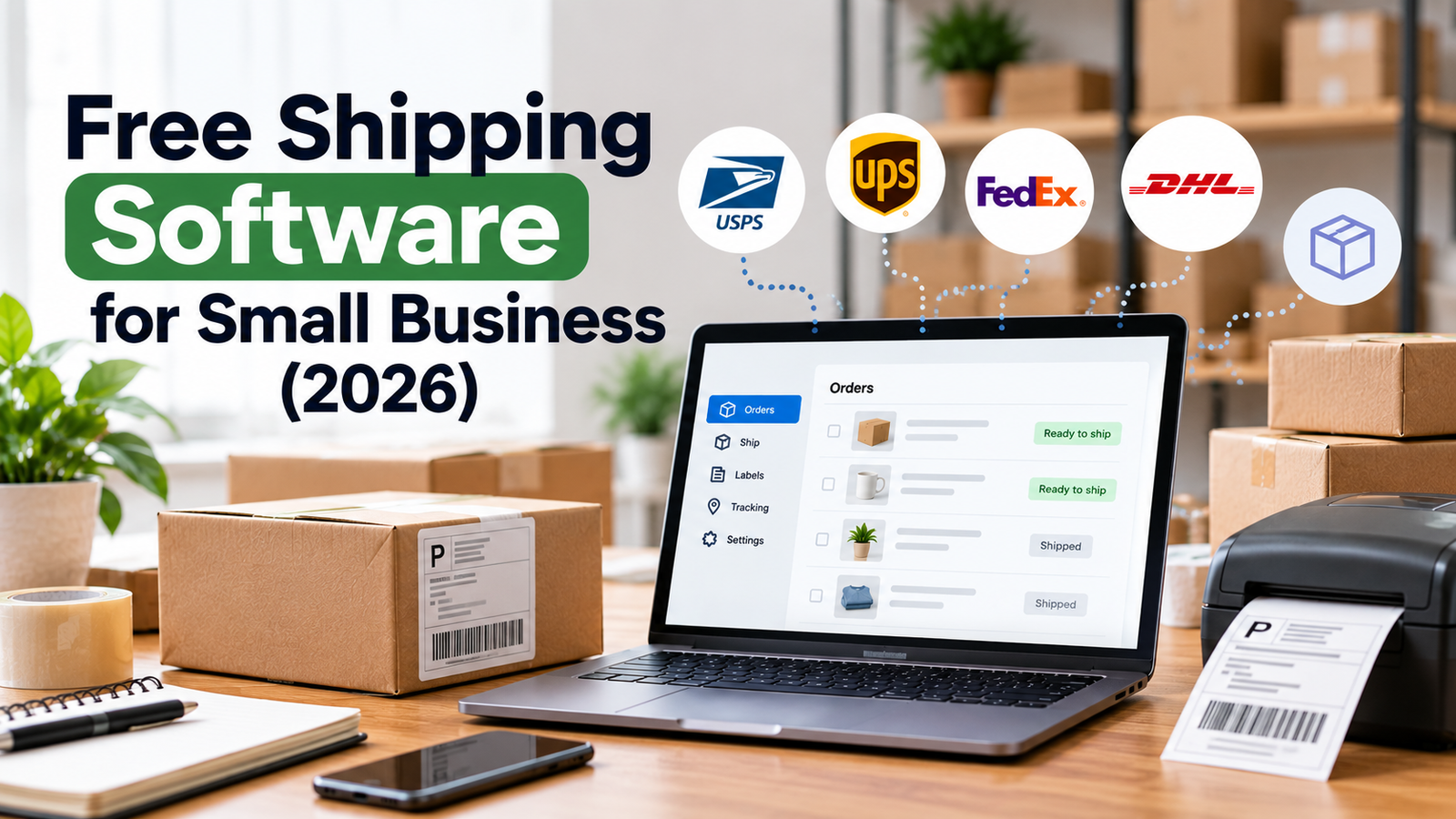
Ecommerce shipping software connects your online store to multiple carriers like USPS, UPS, FedEx, and DHL from one single dashboard.
Instead of logging into five different carrier portals, you manage everything in one place.
These platforms typically handle:
- Rate shopping so you always get the cheapest carrier for each order
- Label printing in bulk with one click
- Order management pulling in orders from Shopify, Amazon, eBay, Etsy, and more
- Tracking with automated updates sent directly to your customers
- Returns with self-serve portals that save your team hours every week
- Customs documentation for international shipments handled automatically
The best part for small businesses is that most platforms negotiate discounted carrier rates you simply cannot get on your own.
Even free plans often include commercial pricing cheaper than walking into a post office.
What to Look For in the Best Shipping Software for Ecommerce
Before you pick a platform, here are the features that actually matter:
Carrier integrations The more carriers available, the better your rate options. Look for platforms with at least 40 plus carriers, more if you ship internationally.
Platform integrations Your shipping software needs to sync seamlessly with wherever you sell. Shopify, WooCommerce, Amazon, Etsy, and Walmart are the big ones to check.
Automation rules Set rules once and let the software handle carrier selection automatically based on weight, destination, or order value.
Branded tracking pages Stop sending customers to a generic FedEx page. Branded tracking keeps them on your store and reduces support tickets.
Returns management A smooth return experience keeps customers coming back. Look for self-serve return portals.
Pricing transparency Some platforms hide fees. Make sure you understand exactly what you are paying before committing.
Quick Comparison Table
| Tool | Starting Price | Carriers | Best For | Free Plan |
|---|---|---|---|---|
| Easyship | $29/month | 550+ | International + all sizes | Yes |
| ShipStation | $14.99/month | 100+ | Multi-channel sellers | Yes (10 shipments) |
| Shippo | Free | 40+ | Startups, low volume | Yes (30 labels) |
| Pirate Ship | Free | USPS, UPS | US small businesses | Yes (unlimited) |
| ShippingEasy | Free | USPS, UPS, FedEx | Small to mid size stores | Yes (25 shipments) |
| Veeqo | Free | US/UK major carriers | Amazon sellers | Yes (unlimited) |
The Best Shipping Software for Ecommerce Reviewed
1. Easyship — Best Overall Shipping Software for Ecommerce
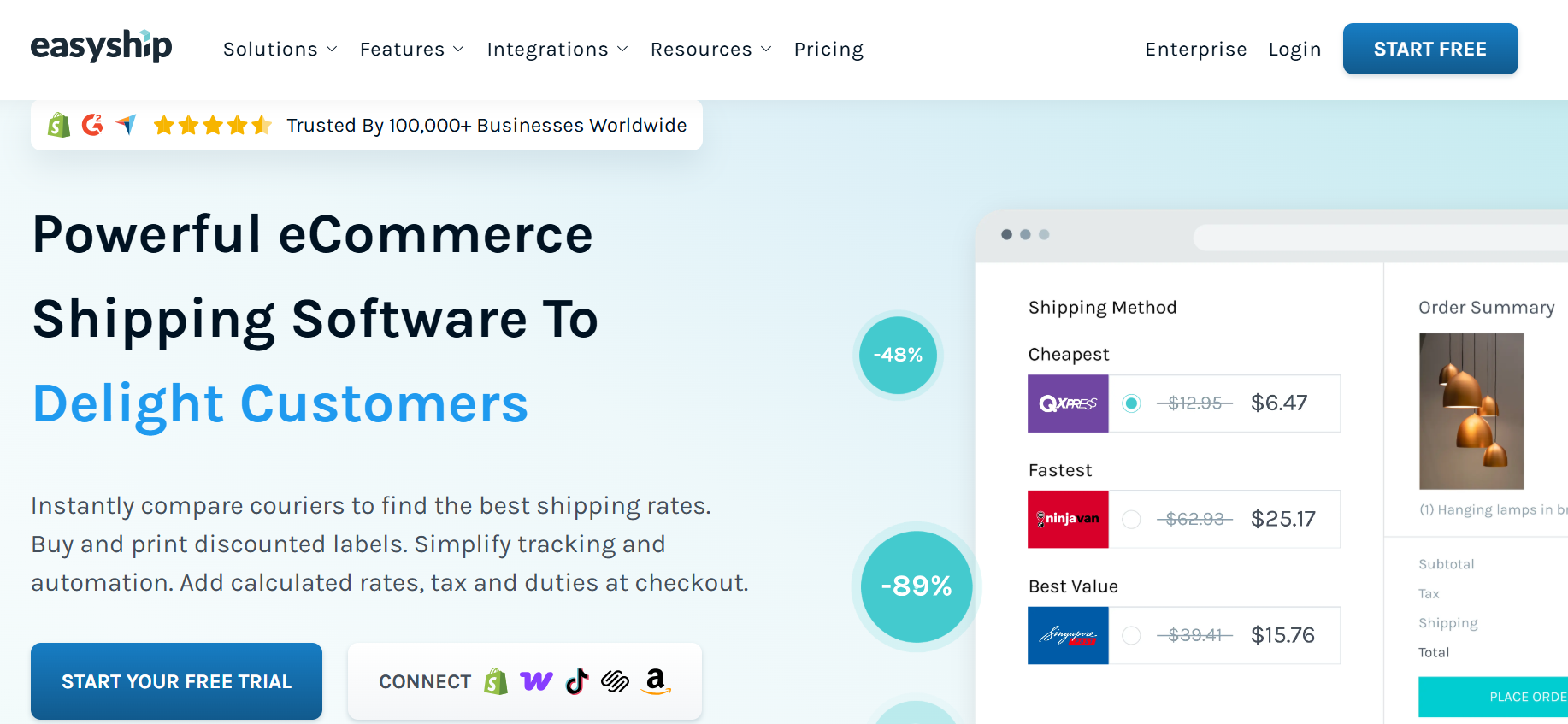
If there is one platform that works for almost every ecommerce business, it is Easyship.
Over 100,000 businesses worldwide trust it.
It is rated highly across G2, Capterra, and Shopify, and for good reason.
Easyship connects you to 550 plus courier services globally, giving you access to rates up to 91% off compared to walking into a carrier store.
For small businesses and growing brands, that discount alone pays for the platform many times over.
Key features:
- 550 plus carrier integrations worldwide including USPS, UPS, FedEx, DHL, and hundreds more
- Automated customs documentation and duty and tax calculations at checkout
- Real time rate comparison across all connected carriers
- Branded tracking pages and prepaid return labels
- Multi currency support for international selling
- 60 plus native integrations with Shopify, WooCommerce, Amazon, eBay, Etsy, TikTok Shop, and more
- Carbon neutral shipping options
- Bulk label printing to handle high order volume fast
- Smart shipping automation rules to save hours daily
Pricing:
| Plan | Monthly Price | Best For |
|---|---|---|
| Free | $0 | Testing the platform |
| Basic | $29 | Small businesses |
| Plus | $69 | Growing businesses |
| Enterprise | Custom | High volume brands |
Who it is best for:
Easyship is the strongest pick for ecommerce businesses of any size, but it really shines for stores shipping internationally or managing high order volumes.
If you are selling to customers outside the US, the automated customs handling alone saves you hours of paperwork every week.
If you are a small business owner looking to cut shipping costs immediately, the free plan gets you started with zero risk.
You can read the full breakdown in our Easyship review if you want to go deeper before deciding.
Pros:
- Best international carrier coverage of any platform on this list
- Huge discounts on carrier rates right from day one
- Clean dashboard that is easy to learn
- Strong Shopify integration
- Free plan available with real features
Cons:
- Less powerful for domestic only US shipping compared to Pirate Ship
- Pricing can increase with volume on higher plans
Bottom line:
Easyship is the best all-around shipping software for ecommerce in 2025.
Whether you are shipping 10 orders a month or 10,000, it scales with you without breaking your budget.
👉 Start your free Easyship trial here and start saving on shipping today.
2. ShipStation — Best for Multi-Channel Sellers
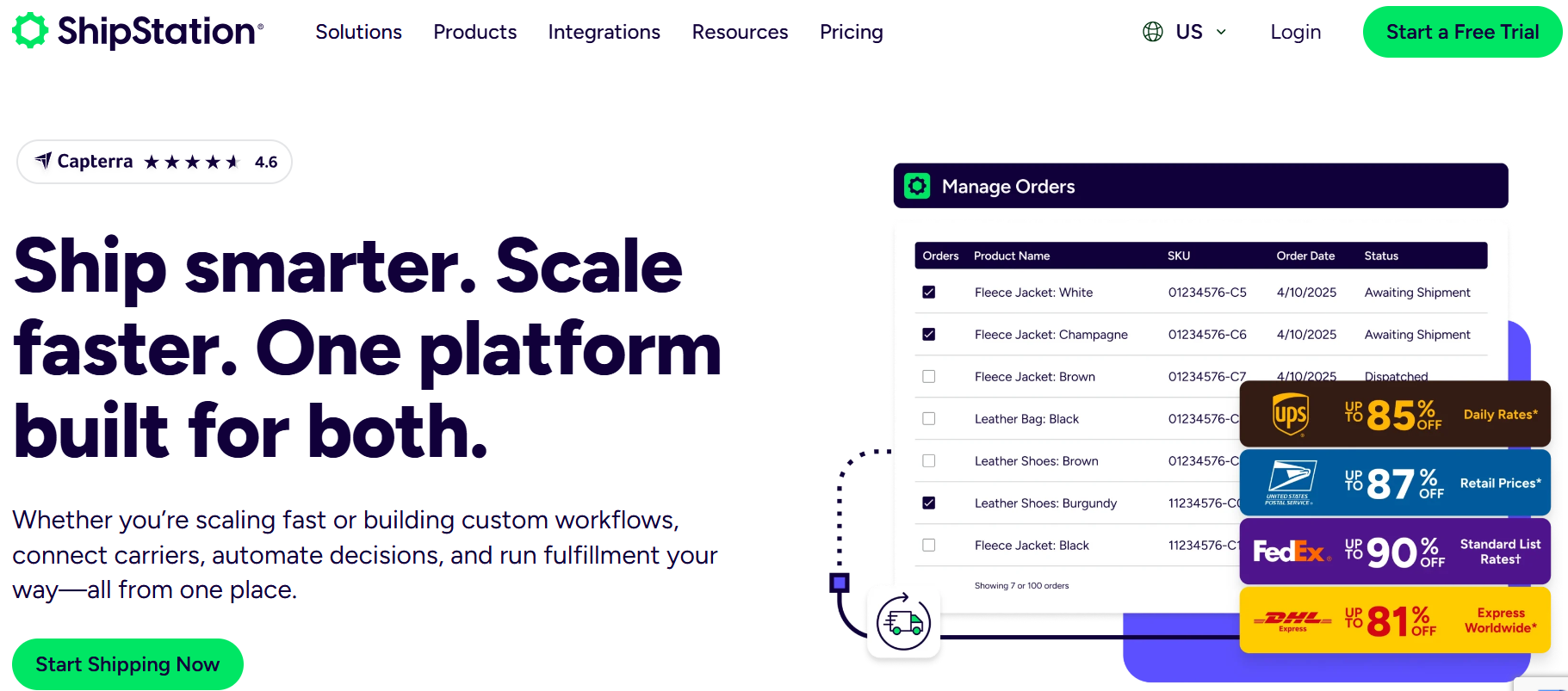
ShipStation is the most widely used shipping software in the US for a reason.
Over 130,000 brands use it.
It is built for sellers managing orders across multiple platforms at once, think Shopify plus Amazon plus eBay all feeding into one dashboard.
Key features:
- 100 plus integrations including Shopify, Amazon, eBay, Walmart, and Etsy
- Discounted rates for USPS, UPS, FedEx, and DHL
- Automation rules for carrier selection, order tagging, and batch processing
- Branded tracking pages and packing slips
- Returns portal for customer self service
- Inventory management on higher plans
- Mobile app for managing shipments on the go
Pricing:
| Plan | Monthly Price | Shipments |
|---|---|---|
| Free | $0 | 10 |
| Starter | $14.99 | 50 |
| Standard | $29.99 | 50 to 500 |
| Premium | $349.99 | 50 plus |
Who it is best for:
If you are selling on three or more channels simultaneously and need everything organized in one place, ShipStation is hard to beat.
Pros:
- Massive integration library
- Strong automation rules
- Good reporting and analytics
- 30 day free trial
Cons:
- Can feel overwhelming for beginners
- Pricing scales steeply as you grow
- US centric carrier focus
3. Shippo — Best for Startups and Low Volume Shippers
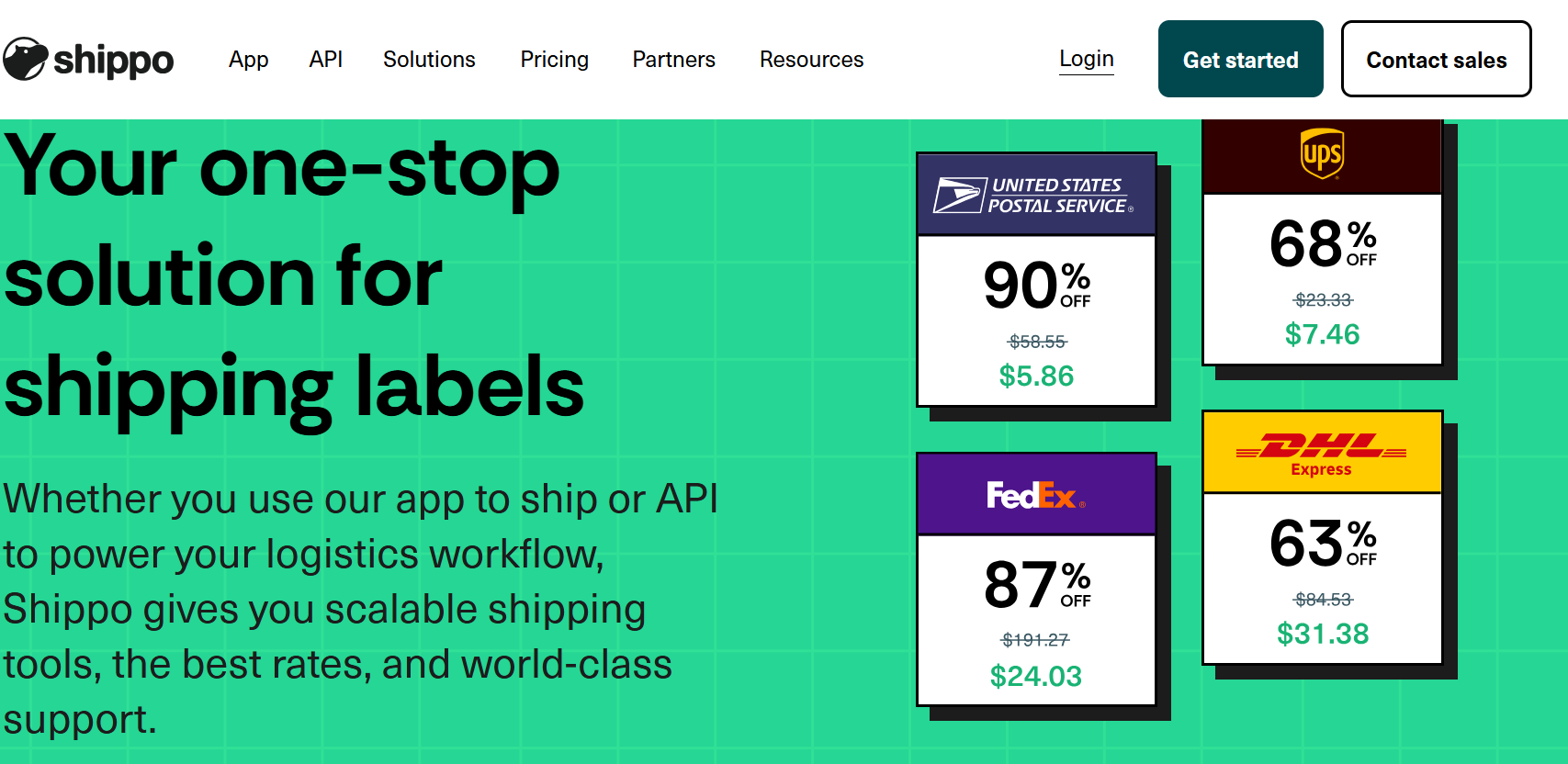
Shippo is the go-to option for ecommerce businesses just getting started.
Its pay as you go model means you pay nothing until you actually ship something.
Key features:
- 40 plus carrier integrations globally
- Unlimited store connections on all plans
- Branded tracking pages on paid plans
- Developer friendly REST API for custom integrations
- International shipping support
- Return label generation
Pricing:
| Plan | Monthly Price | Labels Per Month |
|---|---|---|
| Starter | Free | 30 |
| Pro | $17 | 1 to 200 |
| Premier | Custom | Unlimited |
Who it is best for:
Startups and low volume shippers who want zero monthly commitment while they figure out their shipping rhythm.
Pros:
- No monthly fees on the free tier
- Simple setup process
- Good carrier discounts even on free plan
- Clean easy to use interface
Cons:
- Limited to 30 labels per month on free tier
- Advanced features require paid plans
- You will outgrow it faster than you expect
4. Pirate Ship — Best Free Option for US Small Businesses
Pirate Ship is completely free.
No monthly fees. No per label fees. No hidden charges. Ever.
They have saved shippers over $705 million since 2014 by passing USPS Commercial Pricing and UPS discounts directly to merchants.
Key features:
- USPS Commercial Pricing up to 87% off retail rates
- UPS discounted rates
- Priority Mail Cubic pricing most shippers never even know exists
- Bulk label printing
- Simple web based interface with no software to install
Pricing:
Always free. No catches.
Who it is best for:
US based small businesses, Etsy sellers, and solo entrepreneurs who ship primarily through USPS and want to keep costs at zero.
Pros:
- Completely free with no hidden costs
- Cheapest USPS rates available anywhere
- Incredibly simple to use
- No software installation needed
Cons:
- USPS and UPS only, no FedEx or DHL
- US focused only
- No automation, no analytics, no returns management
- Not built for international shipping
5. ShippingEasy — Best for Small Stores That Want Shipping and Marketing Together
ShippingEasy does something most shipping platforms do not.
It combines order fulfillment with built in email marketing, customer segmentation, and abandoned cart recovery in one platform.
For small businesses trying to manage multiple tools on a tight budget, that combination is genuinely useful.
Key features:
- USPS, UPS, and FedEx integrations with discounted rates
- Built in email marketing including abandoned cart sequences
- Customer segmentation by order size, purchase frequency, and location
- Returns portal with branded pages
- Shipping automation rules
- Integrations with Shopify, WooCommerce, Amazon, and more
Pricing:
Free for up to 25 shipments per month. Paid plans from $19.99 per month. Marketing add-ons are priced separately.
Who it is best for:
Small to mid size stores that want to bundle shipping with basic customer retention tools without paying for two separate platforms.
Pros:
- Free plan available
- Unique combination of shipping and email marketing
- Good for building customer loyalty
Cons:
- Only USPS, UPS, and FedEx available
- Marketing features are lighter than dedicated tools like Klaviyo
- Costs increase significantly when adding marketing add-ons
Niche Shipping Solutions Worth Knowing About
Not every shipping need fits the standard ecommerce software mold.
If you are shipping oversized gear or handling international package forwarding, these two platforms deserve a spot on your radar.
ShipSkis — Best for Shipping Luggage and Sports Gear
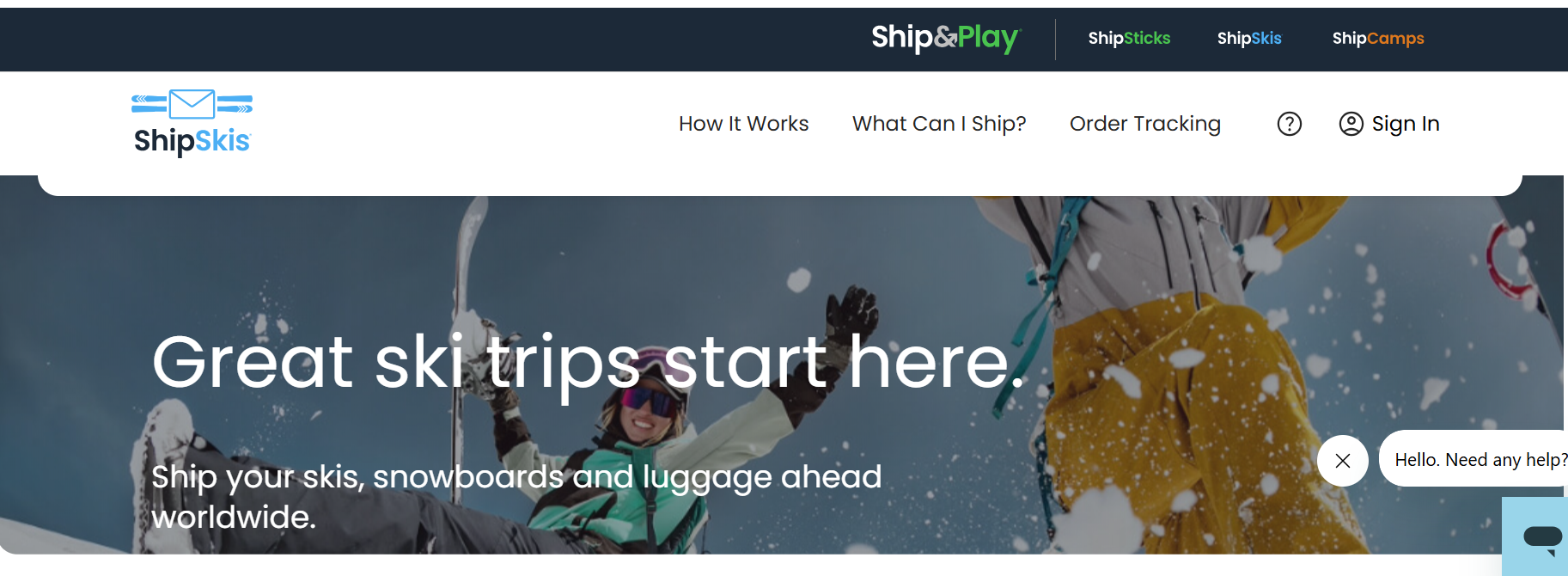
If you are in the travel, outdoor, or sports niche, ShipSkis solves a problem most shipping software completely ignores.
ShipSkis handles door to destination shipping for luggage, ski equipment, golf bags, and other oversized gear.
The whole idea is that travelers and athletes ship their gear directly to their destination ahead of time, skip baggage claim entirely, and travel hands free.
For ecommerce brands selling sporting goods, outdoor equipment, or travel accessories, offering ShipSkis as a shipping option is a serious value add your competitors probably are not offering.
Who it is best for:
Travel brands, outdoor gear stores, ski and golf equipment retailers, and any ecommerce business selling bulky items that are a nightmare to fly with.
Why it stands out:
- Removes the baggage claim headache for customers entirely
- Door to door delivery for oversized and specialty items
- Makes the post-purchase experience genuinely effortless for gear buyers
👉 Check out ShipSkis here and see if it fits your store's shipping needs.
Ship7 — Best for International Package Forwarding
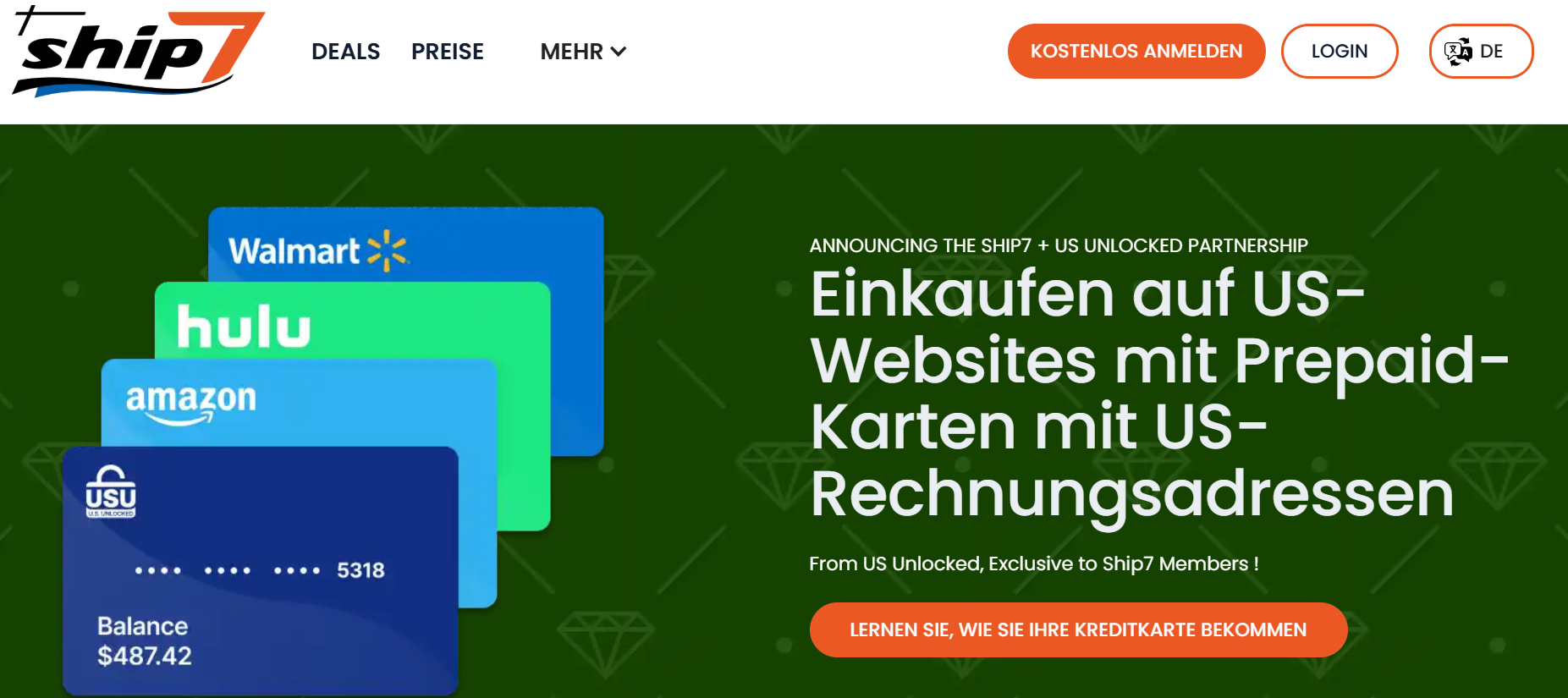
Ship7 is built for a very specific but fast growing problem.
International shoppers often cannot buy directly from US stores because those stores do not ship overseas.
Ship7 solves that by giving international customers a US based address, receiving their packages, and forwarding them to over 200 countries worldwide.
Over 200,000 customers use Ship7 to get their orders delivered safely every single day.
For ecommerce brands that want to open up international markets without building out complex cross border logistics from scratch, Ship7 is worth understanding.
If you want a deeper dive into cross border tools, check out our guide on the best international shipping software.
Who it is best for:
Ecommerce stores looking to reach international customers without overhauling their entire fulfillment setup, and international shoppers who want access to US stores.
Why it stands out:
- Removes the barrier between US stores and international buyers
- Handles forwarding to 200 plus countries
- Simple process that requires no complex integration
👉 Learn more about Ship7 here and see how it can expand your store's reach globally.
How to Choose the Right Shipping Software for Your Ecommerce Business
The right platform depends on where you are right now and where you are going.
Here is a simple decision framework:
Just starting out with under 200 orders per month Start with Pirate Ship if you are US based and USPS heavy. Use Shippo if you want a bit more flexibility. Both cost nothing to get started.
Growing store selling on multiple channels ShipStation handles multi-channel order management better than almost anyone. If you also want international coverage, Easyship is the stronger long term bet.
Shipping internationally Easyship is the clear winner with 550 plus carriers and automated customs handling. You can also check our full guide on the best international shipping software for more options.
Small business on a tight budget Pirate Ship for USPS only or Easyship's free plan for more flexibility. Both give you real carrier discounts with zero upfront cost. We also cover more options in our guide to free shipping software for small businesses.
Shopify store owner All the major platforms integrate with Shopify, but Easyship and ShipStation have the strongest native Shopify experiences. See our full breakdown of the best shipping software for Shopify.
Running a small business and want the full picture We put together a dedicated guide on the best shipping software for small businesses that goes even deeper on budget friendly options.
Tips to Get the Most Out of Your Shipping Software
Once you pick a platform, these moves will help you squeeze every bit of value out of it:
Set up automation rules on day one Configure weight based carrier selection, destination rules, and automatic insurance thresholds before order volume picks up. It saves you hours later.
Use branded tracking pages immediately A custom tracking page keeps customers on your brand instead of a generic carrier site. It also cuts down "where is my order" support tickets dramatically.
Monitor your shipping analytics weekly Most platforms show you which carriers you use most, where delays happen, and where you can cut costs. That data is free money sitting in your dashboard waiting to be used.
Negotiate carrier rates once you hit volume Most platforms let you connect your own carrier accounts alongside their discounted rates. Once you are shipping consistently, this negotiation is worth pursuing.
Test the platform before you commit Every tool on this list has a free plan or free trial. Run real orders through it for two weeks before deciding. Real usage tells you more than any comparison article ever will.
FAQs
What is the best ecommerce shipping software for small businesses?
Pirate Ship is the best completely free option for US based small businesses shipping primarily through USPS. For more carrier options and international shipping, Easyship's free plan is the strongest starting point. We cover this in more detail in our guide to the best shipping software for small businesses.
Can I use ecommerce shipping software for free?
Yes. Pirate Ship is completely free with unlimited labels. Shippo offers 30 free labels per month. ShipStation gives you 10 free shipments monthly. Easyship and ShippingEasy also have free tiers with real usable features.
Which shipping software is best for international ecommerce?
Easyship leads for international shipping with 550 plus carriers and automated customs documentation. It handles duties, taxes, and customs forms automatically so you do not have to. Ship7 is also worth exploring for international package forwarding.
How does shipping software save money on shipping costs?
These platforms negotiate discounted rates with carriers that individual shippers simply cannot access on their own. Pirate Ship offers USPS Commercial Pricing up to 87% off retail. Easyship offers up to 91% off across 550 plus carriers. Most platforms also do automatic rate shopping so you always pay the lowest available price per shipment.
Does ecommerce shipping software integrate with Shopify?
Yes. Every platform on this list integrates with Shopify. Easyship, ShipStation, Shippo, and Pirate Ship all offer native Shopify integrations that sync orders automatically and push tracking updates back to your store in real time.
What is the difference between ShipStation and Easyship?
ShipStation is stronger for managing orders across multiple US marketplaces. Easyship is stronger for international shipping, carrier variety, and overall value for money. If you are scaling globally, Easyship wins. If you are US focused and multi-channel, ShipStation is a solid choice. You can see a full comparison in our Easyship alternatives guide.
What is the best free shipping software for ecommerce?
Pirate Ship for US USPS shipping. Veeqo for Amazon multichannel sellers. Easyship's free plan for businesses that need international carrier access without paying upfront.
Final Thoughts
Shipping is not just a logistics problem.
It is a customer experience problem.
The store that ships faster, cheaper, and with better communication wins the repeat purchase every single time.
The platforms on this list give you the tools to do exactly that, whether you are just starting out or already scaling fast.
If you want one recommendation to start with right now, it is Easyship.
It covers the most ground, works for the most business types, and gives you real carrier discounts from day one.
The free plan means you have nothing to lose by trying it today.
👉 Start your free Easyship trial here and find out why 100,000 plus ecommerce businesses trust it to handle their shipping.
The best shipping software for ecommerce is the one that saves you time, cuts your costs, and keeps your customers happy. Start there and build from it.



Comments
Leave a Comment
Your email address will not be published. Required fields are marked *